Cessna Nose Gear Strut Assembly: Front Landing Gear Maintenance Solution
Cessna Nose Gear Strut Assembly: Front Landing Gear Maintenance Solution
Blog Article
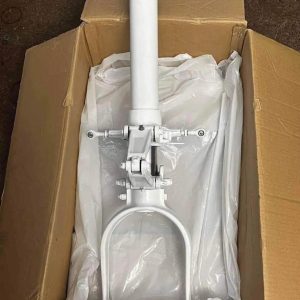
The Cessna Nose Gear Strut Assembly provides structural support, shock-management capability, and ground-handling stability for an appropriately verified Cessna aircraft installation.
The Cessna Nose Landing Gear Strut, Cessna Nose Gear Assembly, Cessna Landing Gear Strut, and Cessna Nose Strut descriptions identify closely related searches for the aircraft’s forward landing-gear structure.
The Cessna Front Landing Gear Assembly, Aircraft Nose Gear Strut, Aircraft Nose Landing Gear Assembly, and Cessna Shock Strut Assembly terms describe related ground-support and impact-management components.
These related terms help connect the product with aircraft owners, maintenance facilities, restorers, and general aviation parts buyers.
General Aviation Landing Gear Parts listings should provide exact identification, condition, measurements, records, and included components for professional evaluation.
Why Exact Landing Gear Identification Matters
The seller should provide clear photographs of the cylinder, piston, fork, steering features, mounting points, torque links, hardware, and identification markings.
Missing components can significantly affect total project cost and installation planning.
Structural Support and Aircraft Load Management
System-level evaluation is essential when selecting or inspecting the component.
Repeated hard landings, runway excursions, towing incidents, shimmy, improper servicing, corrosion, and maintenance errors can affect both the strut and nearby structure.
Understanding the Cessna Shock Strut Assembly
A strut that appears fully extended may still contain internal wear, incorrect pressure, or unsuitable fluid quantity.
Qualified maintenance supports proper Cessna Nose Gear Shock Absorber operation.
Maintaining Predictable Taxi Control
Loose steering components can contribute to poor directional response, uneven tire wear, shimmy, and unpredictable ground handling.
Steering stops should remain intact and correctly adjusted so the nose wheel does not exceed approved travel limits.
Matching the Strut to a Specific Cessna Aircraft
The phrase Cessna Nose Gear Strut Assembly should not be interpreted as compatibility with every Cessna aircraft.
The complete receiving-aircraft configuration should be reviewed before purchase.
Checking Chrome and Machined Surfaces
Sliding and sealing surfaces must remain within acceptable condition because defects can damage seals and contribute to leakage or sticking.
Qualified inspection protects the long-term value of the Cessna Landing Gear Strut.
Preventing Contamination and Seal Damage
Fluid leakage around the piston, seals, fittings, plugs, or servicing points can indicate deteriorated seals, damaged surfaces, loose components, contamination, or incorrect assembly.
Incorrect seal material, damaged installation tools, contaminated fluid, or improper assembly can lead to early failure.
Identifying Surface and Hidden Corrosion
Corrosion may develop on external surfaces, inside bores, around fasteners, beneath paint, near mounting points, or within neglected fluid areas.
Fastener holes, fork transitions, cylinder ends, and welded or machined areas deserve close attention.
Determining the Need for Nondestructive Testing
The assembly should be inspected for cracks, bending, twisting, damaged welds, distorted mounting features, and impact marks.
Transparent impact history supports informed Cessna Front Landing Gear Assembly purchasing.
Evaluating Fork Alignment and Axle Condition
A complete strut listing should state whether the fork, axle, spacers, wheel, bearings, tire, and hardware are included.
Wheel bearings, seals, spacers, and retaining hardware should be evaluated separately rather than assumed serviceable because they are attached to the assembly.
Inspecting Landing Gear Articulation Components
Torque links and related check here pivot components help maintain alignment between moving portions of many nose gear strut designs.
Recurring shimmy should prompt inspection of the entire nose gear, wheel, tire, steering, balance, and attachment system.
Shimmy, Vibration, and Uneven Tire Wear
Operational reports should identify when the vibration occurs and under what taxi or landing conditions.
Uneven tire wear can indicate alignment concerns, fork distortion, bearing issues, incorrect pressure, steering problems, or repeated side loading.
Fluid and Pressure Maintenance
Incorrect fluid, contamination, trapped air, overpressure, or underpressure can affect extension, damping, leakage, ground clearance, and structural loading.
Pressurized components require suitable precautions because uncontrolled release can cause injury or damage.
Overhaul and Reconditioning Considerations
A seal replacement or exterior repaint does not necessarily constitute a complete overhaul.
Complete records strengthen the commercial value of the Cessna Replacement Nose Gear.
Pre-Purchase Inspection Checklist
The seller should provide photographs of every side, including the cylinder, piston, fork, axle, torque links, steering features, mounts, hardware, identification markings, and damaged areas.
- Compare the assembly with the receiving aircraft’s illustrated parts information, mounting points, steering system, wheel fork, axle, tire, torque links, and approved hardware.
- Do not treat clean paint, smooth movement, or a removed-serviceable statement as proof of current installation eligibility.
- Confirm the sales invoice, payment protection, packaging method, freight insurance, inspection period, return terms, and stated assembly condition.
Shipping the Cessna Nose Gear Assembly
Loose hardware should be labeled, wrapped, and secured separately.
The component should remain immobilized so it cannot roll, slide, or strike the container during transportation.
Preventing Corrosion and Seal Damage
The piston surface should remain covered without using materials that promote corrosion or seal deterioration.
A stored assembly should not be installed solely because it was previously considered serviceable.
Completing Wheel and Strut Alignment
Surrounding structure should be inspected for cracks, corrosion, deformation, worn holes, and previous repair before installing the replacement assembly.
Disciplined workmanship supports reliable Cessna Front Landing Gear Assembly operation.
After installation, technicians should verify strut extension, servicing, leakage, steering response, wheel alignment, hardware security, tire clearance, and freedom of movement.
Routine Inspection and Preventive Maintenance
Consistent care supports dependable Cessna Nose Landing Gear Strut operation.
Maintenance records should identify findings, measurements, servicing, parts replaced, repairs, dates, and personnel involved.
Choosing a Documented Aviation Component
The commercial value of a Cessna Nose Gear Strut Assembly depends on exact identification, aircraft applicability, completeness, physical condition, corrosion status, leakage, repair history, overhaul records, included hardware, and documentation.
Total project cost may include the purchase price, freight, inspection, seals, bushings, bearings, hardware, wheel or tire components, overhaul labor, servicing, alignment, installation, and documentation.
Buying a Replacement Cessna Front Gear Assembly
The Cessna Nose Gear Strut Assembly may suit private aircraft owners, flight schools, maintenance organizations, restorers, aviation dealers, and general aviation operators seeking an identifiable landing-gear component.
Buyers should request current photographs, accurate measurements, transparent condition information, professional inspection details, protected freight arrangements, secure transaction terms, and qualified maintenance review.
Whether the product is described as a Cessna Nose Gear Shock Absorber, Cessna Landing Gear Assembly, Aircraft Landing Gear Strut, or Cessna Nose Wheel Strut, aircraft-specific compatibility remains essential.
With transparent records, protected shipping, correct steering and mounting compatibility, careful alignment, and appropriate maintenance, the Cessna nose gear can support a professional repair project.
Report this page